
Beaches & sea
Posidonia: the seagrass that keeps the sea clear
That "seaweed" you see on the shore or the seabed is posidonia oceanica, a protected marine plant found only in the Mediterranean. Its meadows are the reason Mallorca's water is so clear: they filter the sea, produce oxygen, slow down erosion and are home to hundreds of species. The dry leaves piling up on the beach protect the sand from winter storms, which is why they're not always removed.
If you're on a boat, anchoring on posidonia is forbidden (with hefty fines): drop anchor on sand or use the mooring buoys. And don't take posidonia or sand from the beach.
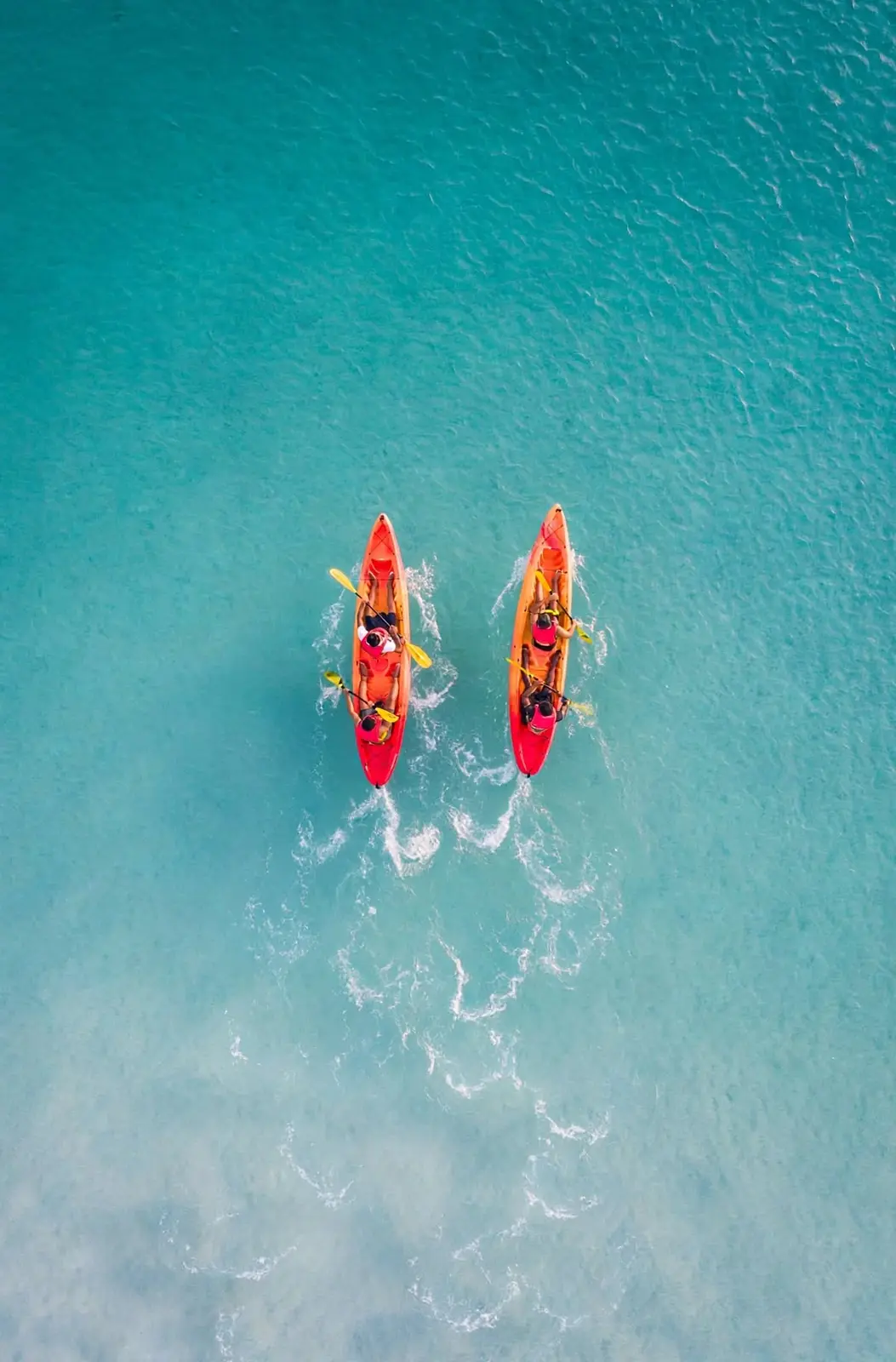
From the water it is easy to tell apart: posidonia meadows look like dark patches on the seabed and sand like pale turquoise. If you snorkel, swim along the edge between the two: that is where you will see most fish. Since 2018 a Balearic Government decree has protected posidonia and banned anchoring on it; you can moor in the regulated buoy fields, booked on the Government's website, or drop anchor on sand.
The piles of dry leaves on the shore, known as banquettes, shield the beach from winter storms and stop the sea carrying the sand away. On some very busy beaches they are cleared before summer, but in many coves they stay all year: they are not dirt, and swimming among the leaves is perfectly safe.
Frequently asked questions
Can you anchor on posidonia in Mallorca?
No. Anchoring on posidonia meadows is banned in the Balearics and patrol boats check in summer. Drop anchor on sand, which looks light from the boat, or use the regulated buoy fields, which you book on the Balearic Government's website.
Why is there seaweed on Mallorca's beaches?
It is almost always dead posidonia leaves, a marine plant rather than seaweed. They pile up in autumn and winter and protect the sand from storms. They are harmless: you can swim and lie nearby without any problem.
Updated in October 2026